Cartia® Duentric Coated Aspirin
Cartia® low dose aspirin helps prevent blood clotting and reduces the risk of heart attack and stroke.

Cartia® low dose aspirin helps prevent blood clotting and reduces the risk of heart attack and stroke.
Cartia® Duentric® coating allows the aspirin tablet to go through the stomach and not dissolve until it reaches the small intestine, where it is absorbed gradually into the bloodstream. By releasing low dose aspirin in the small intestine, Cartia® may reduce the occurrence of gastric irritation. The coating does not reduce the effectiveness of the aspirin.
If you are at risk of having a heart attack or stroke, speak to your doctor about if Cartia® low dose aspirin can help as part of an overall management plan to reduce your risk of heart attack or stroke.
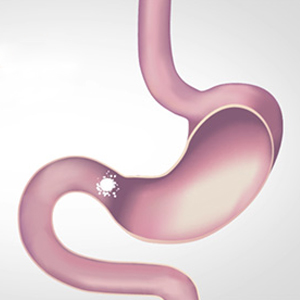 Cartia Duentic Coated
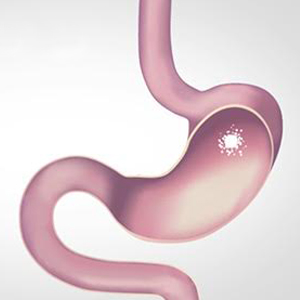 Uncoated Aspirin
Uncoated low dose aspirin may cause gastrointestinal side effects. To reduce the chance of stomach irritation, Cartia® has an enteric coating which prevents the release of aspirin in the stomach. Cartia® is released in the intestines, lower down than uncoated aspirin. Cartia® Duentric coated low-dose aspirin is then gradually absorbed into the bloodstream. See picture to the left.